

How Often Should Commercial HVAC Systems Be Serviced?
For businesses in Sacramento, a reliable HVAC system is more than a comfort feature. The goal is for it to quietly do its job while your tenants, employees, and customers stay comfortable.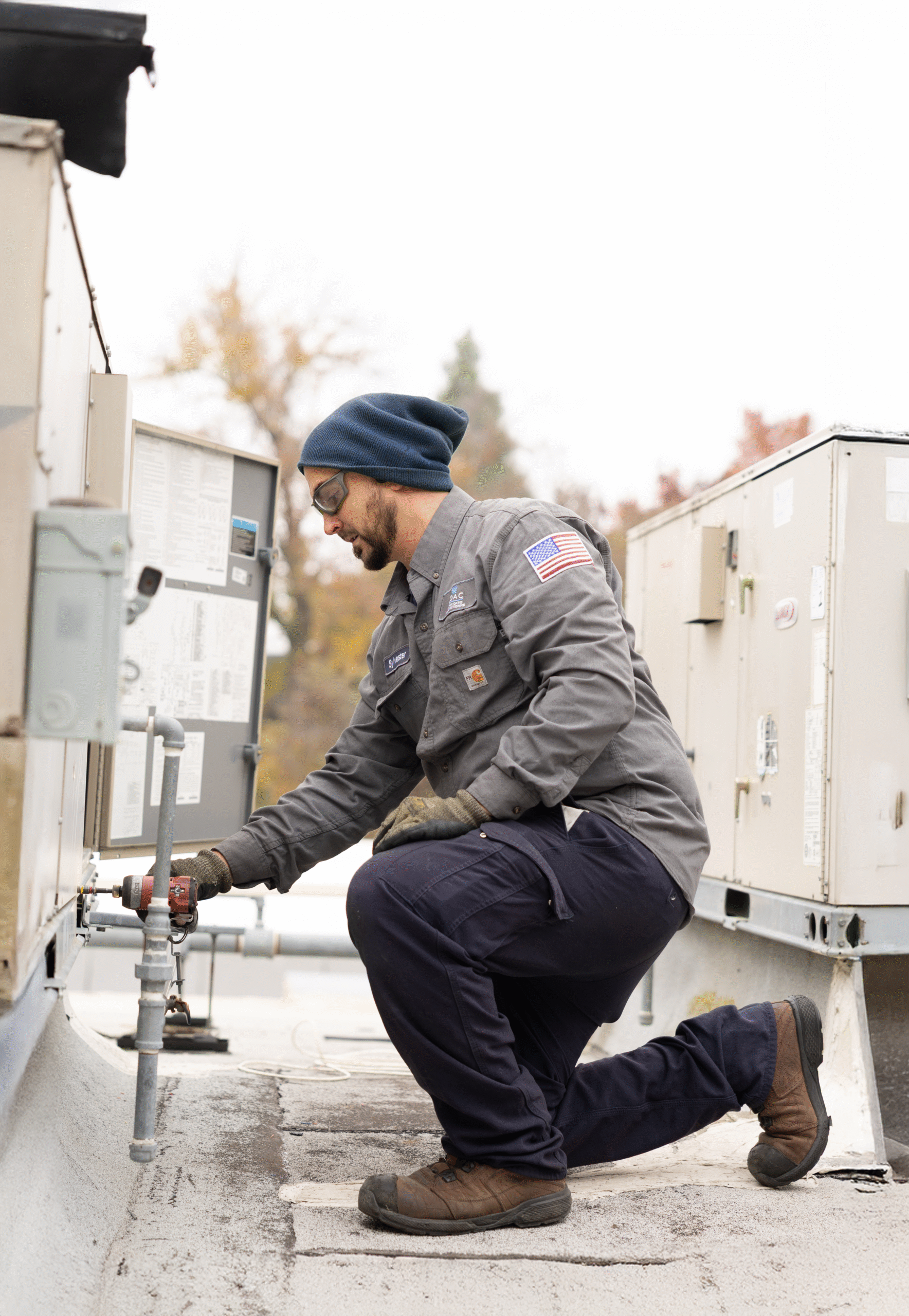 One of the most common questions building owners and property managers ask is: how often should commercial HVAC units be serviced?
For most buildings, the answer is at least twice a year: once before the cooling season and once before the heating season. These routine inspections help ensure your equipment is operating efficiently before it’s needed the most.
At Cooper Oates, we’ve helped commercial facilities throughout Sacramento and Northern California manage HVAC system performance for more than 50 years. With the right preventative maintenance plan, you can reduce the likelihood of unplanned downtime, control operating costs, and extend the life of your equipment.
Recommended Service Frequency for Commercial HVAC Systems
Twice-Yearly Preventative Maintenance
Most commercial HVAC systems should be serviced at least twice a year: once in the spring before cooling season and once in the fall before heating season.
A typical service visit often includes:
- Replacing or cleaning filters
- Cleaning coils
- Checking refrigerant levels
- Inspecting belts, motors, and electrical connections
- Testing thermostats and controls
- Looking for worn-out parts before they fail
Routine maintenance helps your system work more efficiently, lowering the strain on your equipment, especially during Sacramento’s summer heat!
High-Demand Buildings
Facilities such as restaurants, hospitals, schools, retail spaces, and buildings with long operating hours and may benefit from quarterly maintenance. The more your equipment runs, the more important it becomes to keep it operating at peak performance.
Older Equipment
Older commercial HVAC systems may also require more frequent inspections. While older equipment can still perform well, seemingly small issues tend to become expensive problems much quicker. Regular HVAC service can help catch those warning signs early on, delaying the need for replacement.
Manufacturer Requirements
Many equipment warranties require documented maintenance. Skipping service could put warranty coverage at risk, which means your business may be stuck paying for repairs that could have been covered.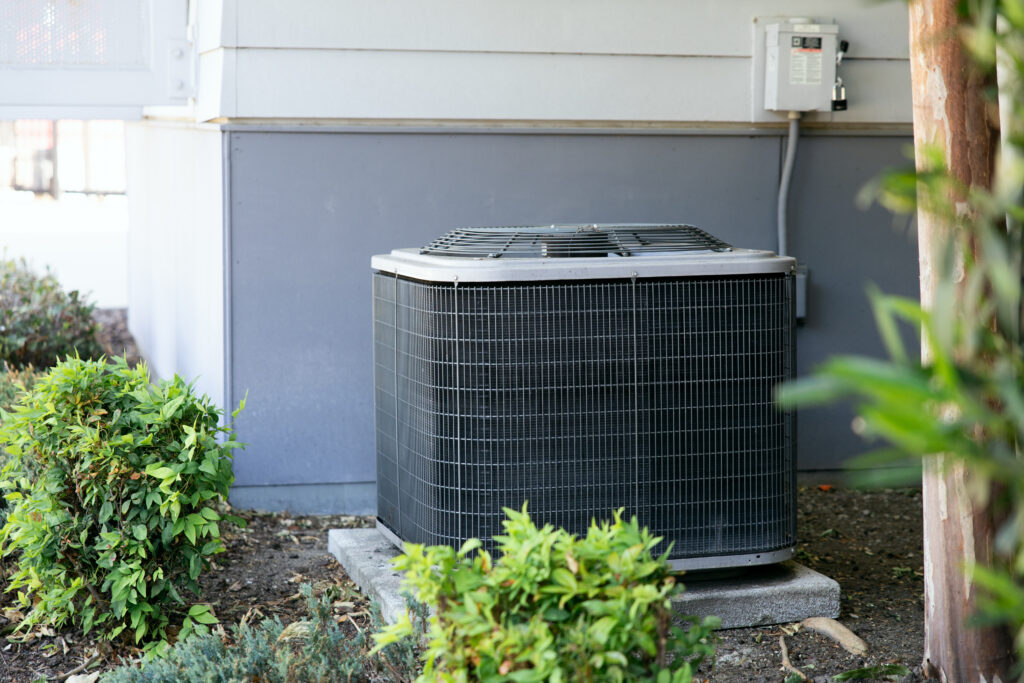
Benefits of Regular Commercial HVAC Service
It’s easy to look at planned maintenance as another operating expense, especially when everything seems to be working fine. However, waiting until equipment fails is almost always the more expensive option: emergency repairs, unexpected downtime, uncomfortable tenants, and higher utility bills can very quickly outweigh the cost of routine service.
Just because it’s out of sight doesn’t mean it should be out of mind. Think of preventative maintenance for your HVAC system the same way as the preventative maintenance for your car: if you don’t regularly change the oil or replace filters and belts, eventually the engine will fail, and your car won’t run. Sometimes you really do have to spend money to save money – a $30 oil change can save you $3,000 for a new car engine.
Apart from lowering energy costs, improving tenant comfort and reducing downtime, a little preventative care today can help you avoid major repairs (and even premature equipment replacement) tomorrow!
What to Look for in a Commercial HVAC Maintenance Program
Comprehensive system checks: A thorough HVAC Preventative Maintenance plan should cover filters, coils, electrical components, refrigerant levels, belts, motors, and system controls. Make sure to double-check the list of covered equipment to ensure the specific units serviced are included and listed with their serial number.
Hours of Availability: A good commercial HVAC maintenance agreement will allow you to get in touch to schedule service 24 hours a day, 7 days a week. Your maintenance agreement will be useless if you have difficulty in contacting someone for assistance.
Agreement Length: Check the agreement length and terms of cancellation and automatic renewal clauses.
Service Response Time: A good commercial HVAC maintenance agreement will get you help quickly. Imagine the air conditioning going out in a nursing home in the middle of July- hearing that a technician will be out next week or later will do little good! Getting help when you need it most is essential.
Additional Costs: Other things to look for include costs such as: Minimum Service Fees, Truck Charges, Overtime Premium Charges, Refrigerant Surcharges, Disposal Fees for Refrigerant, Oil and Compressors, Consumables Charges and the Quality of the Air Filter Included with the Maintenance.

A proactive approach: Remember, the best maintenance programs don’t just fix problems- they help prevent them by identifying potential issues before they affect your building. The HVAC service provider you choose should be a trusted partner of your building with your best interests in mind, helping you prolong the life of your equipment, rather than taking an aggressive, sales-focused approach.
Upgrade Your Commercial HVAC Maintenance with Cooper Oates
Here’s the truth: If “out of sight, out of mind” has been your HVAC maintenance strategy, it’s only a matter of time before an unexpected failure causes strain on your business operations and budget. Planned HVAC maintenance for commercial buildings may seem like an “extra” cost when everything is running smoothly, but neglecting planned maintenance is an unpredictable way to manage your facilities.
Contact Cooper Oates to learn more about our commercial HVAC service and planned maintenance agreements at 916-381-4611. We’ve partnered with businesses for over 50 years within the Greater Sacramento Region including Rancho Cordova, Folsom, Elk Grove, Roseville, Woodland, Stockton, Davis, Yuba City, Auburn, Sutter Creek, Lincoln, Chico, Napa, Placerville, Stockton, & Turlock.